In 2024, with funding from USAID/BHA, Bright Future implemented a program aimed at supporting socio-relational and cultural events through awareness-raising education campaigns. The initiative targeted 1,500 individuals in Northwest Tigray and was successfully carried out at the project site in Endabaguna town, utilizing the ABA Center/temporary multi-purpose center.
Key Activities
During the project period, various socio-relational and cultural events were conducted, including:
- True Cross Holiday (Meskel) Socio-Relational and Cultural Event
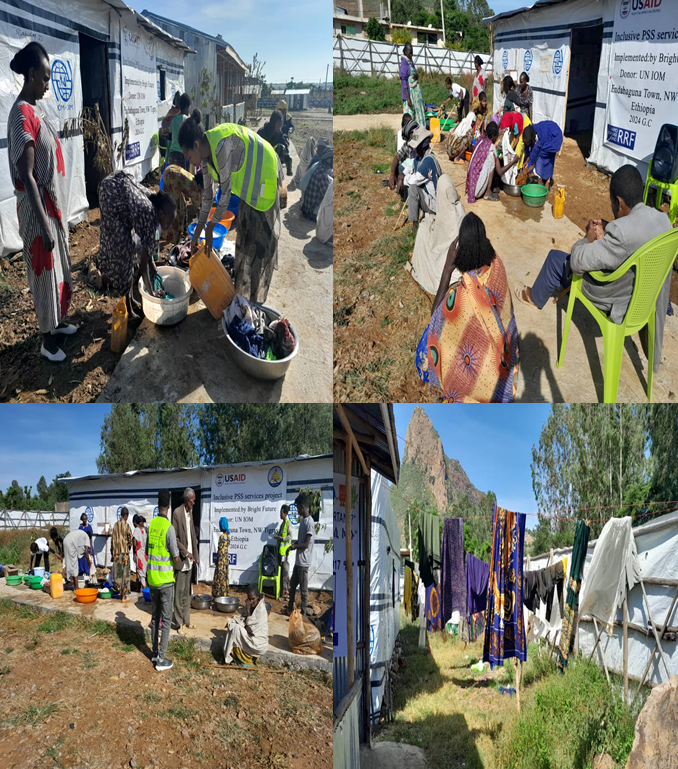
- Cloth Washing Support Event – Designed to assist vulnerable elders and persons with disabilities (PWDs).
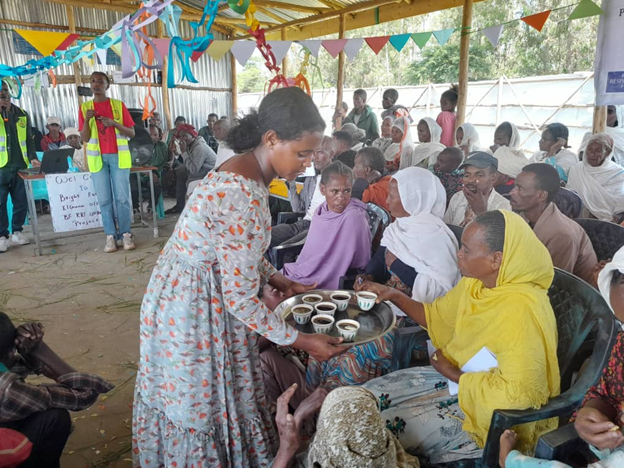
- Group Discussions – Conducted through traditional coffee ceremonies to foster experience-sharing, learning, and community bonding.
These activities helped participants develop positive coping mechanisms, address stigma and discrimination, learn self-care and stress management techniques, and enhance their skills in conflict resolution and social problem-solving. Additionally, they provided a platform to raise awareness and advocate for psychosocial support and inclusion.
Measuring Impact
To assess the effectiveness of these events, Bright Future administered post-event and post-education surveys. The results showed significant improvements in participants’ attitudes, social interactions, resilience-building skills, and self-help behaviors.
As part of its socio-relational and cultural initiatives, Bright Future organized the Cloth Washing Support Event to reduce stigma, increase awareness of psycho-social support services, and encourage help-seeking behavior within the community.
Participation and Achievements
A total of 1,748 individuals (793 males and 955 females) participated in the events, exceeding the initial target by 116%. The events were inclusive, engaging key stakeholders such as PWDs, elders, vulnerable women, individuals with chronic illnesses, and other at-risk members of the internally displaced persons (IDP) and host communities.
Participants gained valuable experiences and knowledge, enjoyed entertainment, achieved mental relaxation, and strengthened cultural values. Additionally, they took part in cultural and local games, enhancing their social connections and celebrating their traditions. These activities included:
- Question and Answer Competitions
- Sports (e.g., rope jumping)
- Traditional Games (e.g., tug-of-war)
- Art Shows (e.g., traditional dancing, drawing, and photo galleries)
Awards and Recognition
To encourage participation and recognize outstanding contributions, Bright Future provided awards such as exercise books, pens, and other items to exemplary performers and community volunteers. These incentives motivated engagement and highlighted individual efforts.
Key Success Factors
The success of these events was attributed to Bright Future’s proactive approach, which included:
- Establishing a smooth working environment
- Fostering partnerships with service providers
- Building strong connections with beneficiaries, IDP leaders, and host community leaders
These strategic efforts enabled the project team to effectively organize and implement the events at the grassroots level, ensuring meaningful participation and impact.
| Figure 4: Shows while community volunteers participating in washing campaign of elders cloth at Temporary multi-purpose center (Endaba-guna) |
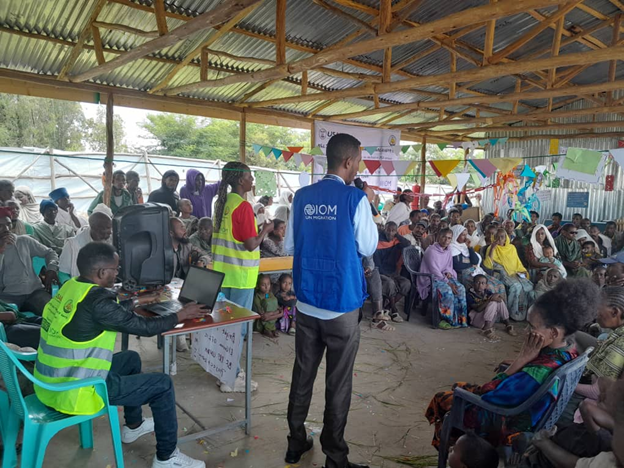
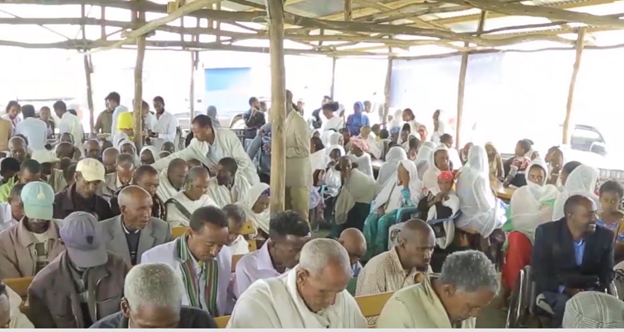
Event during the Meskel holyday in Endabaguna IDP center in 2024 organized by BF, USAID/BHA Project.
Event during the International MHPSS day in Endabaguna IDP center in 2024 organized by BF
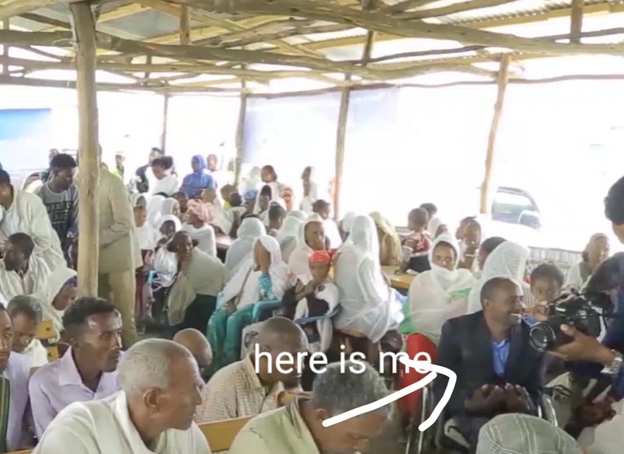
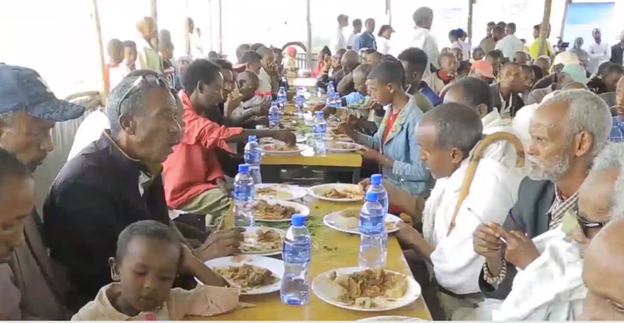
- Event on the lunch program in Sebacare4 IDP site in 2023 (Ethiopian new year holiday)
Bright future has organized lunch program in Sebacare IDP site for 500 IDPs on September 01/2016E.C sponsored by concerned private organizations in Tigray. The event is shown below in the picture:


No responses yet